Our pastor has COVID. She had been trying to call me but was using my husband’s number. I finally connected with her, and when she asked if I would preach the next day on the scripture she was going to use about mustard-seed faith, I knew that I needed more than 24 hours to study the text, dissect it, and write a contemporary sermon. I have never preached from that test, so she was gracious enough to allow me to preach “whatever God laid on my heart.”
The second problem was that I had never preached at a United Methodist Church with a predominantly white membership. After nearly six months, I had recently returned from attending a predominantly Black church where I was part of the ministerial team. Preaching to a Black congregation is all I have ever known, and Black preaching is unique because of its call-and-response nature, a vestige of our history in this country.
In call-and-response, the congregation and the preacher are almost conversing. As a preacher, hearing a loud and heartfelt “Amen, preacher!” or “Hallelujah!” means that you are connecting to people’s souls and that what you are saying resonates with their experiences. There is joy in knowing that people appreciate what you are saying, and you need that connection when you are in the pulpit. It makes preaching easier because you know whether you are doing well or not so much.
In our predominantly White United Methodist church, people seldom speak during the sermon or even move to the music, although our pastor works to get them to do so. She is trying to get the congregants to be more emotional, but many people are older adults who are not accustomed to that type of conduct during church. I have had a difficult time there because I was taught to move to the music and respond to the preacher, although I try to do so as quietly as possible so I don’t offend anyone. One Sunday, she asked for a response when she said a particular word. I was the only person who responded. I knew how important it was for her to see that she was being heard and appreciated.
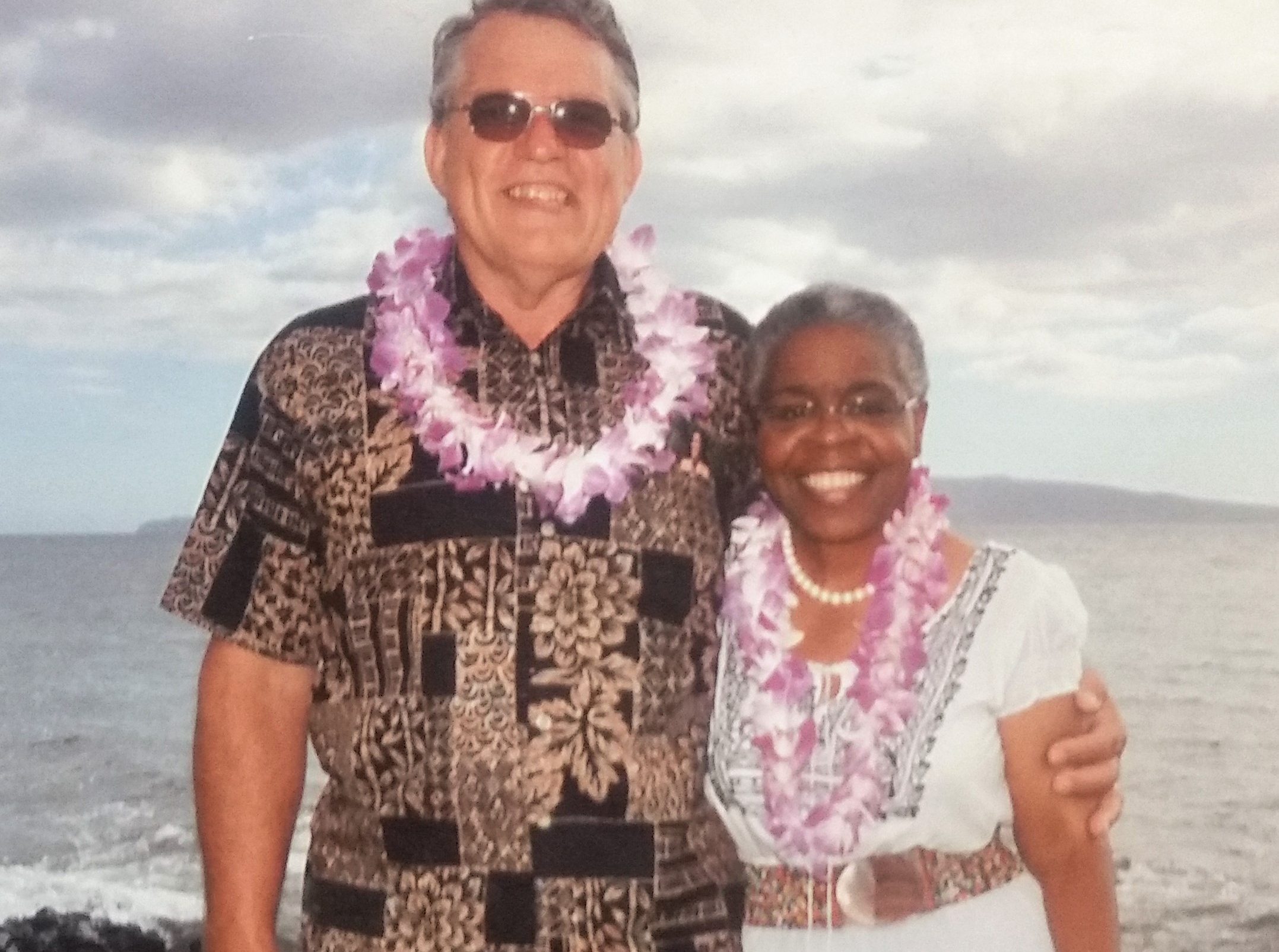
This is why I returned to the Baptist church. But after five months, my husband asked if we could attend church and serve together, and because he had followed me for so many years to Black churches, I felt obligated to return the kindness. Douglas doesn’t ask much of me but has given me a lot of love, time, joy, and attention over the last twenty years of marriage. So, I returned, and now I feel at home as a Sunday School teacher and part of the Dinner Church volunteers. Before, I mostly sat in the pews.
Also, Black congregations in the Baptist or Missionary Baptist traditions expect a sermon of at least 30-45 minutes, which is why church services can go long. I was taught to not preach longer than 30 minutes, and I usually stay around that criterion or less than 40 minutes. However, in our United Methodist church, the 11:00 service only lasts for about an hour, and people start to get restless after the clock passes noon. So, you have to adjust any previous sermon accordingly.
I spoke on Psalm 30:1-5, 11-12 on the title, “When Morning Comes,” and preached for 25-30 minutes. To my joy and surprise, when I added a Hallelujah or Amen in the sermon, some people responded in kind. I found my nervousness diminishing and my appreciation increasing as I felt heard and supported. They were happy also because church ended at exactly 12:00!
I had to learn the traditional benediction that I have watched Pastor Sheila give every Sunday, and I had to run to the front of the church to shake hands. I almost forgot that part! People said very nice things and told me how much they enjoyed the sermon, which is always lovely. When I went to church last Sunday, we learned that our pastor was still sick, and people asked if I was preaching, but I had not received the call. Yet, to be asked meant a lot to me because they wanted to hear me again. Our assistant pastor preached instead.
The experience of preaching for the first time to a different audience with other liturgical traditions taught me that preaching is preaching regardless of race. God’s words touch our hearts, and preaching is meant to connect our souls in ways that allow us to see each other’s humanity across all social categories that tend to divide us and leave us leery of each other.
Preaching is meant to bring people into God’s presence and let them know of His tremendous love for them and the hope they can find in Jesus Christ the Lord. But more than anything else, as someone who has never attended seminary, has read books to learn to preach, and is reading on exegesis and hermeneutics, I learned the two most critical lessons for preaching to all congregations: Know your audience and keep a spare sermon so you can be ready for the call!
 Help from Heaven
Leave a comment